How-to guide · how to update a block across all open drawings
Update a block across all open drawings in AutoCAD
By Saumyajit Maity · Published 23 Sep 2024 · Updated 12 May 2026
When a block changes — a door detail is corrected, a table outline is simplified — you usually want that change to reach every drawing that uses the block, not just the one you edited. AutoCAD does not magically sync block definitions between separate files, so updating a block across all open drawings is a deliberate workflow you run. Done right, it keeps a whole project on a single, current version of each block.
This guide explains how block definitions live per-drawing, then walks through the practical ways to update a block in many files: redefining from a master DWG with -INSERT, refreshing through DesignCenter, and using a tool palette or shared library as the single source of truth. Each method ends with every targeted drawing carrying the same up-to-date definition.
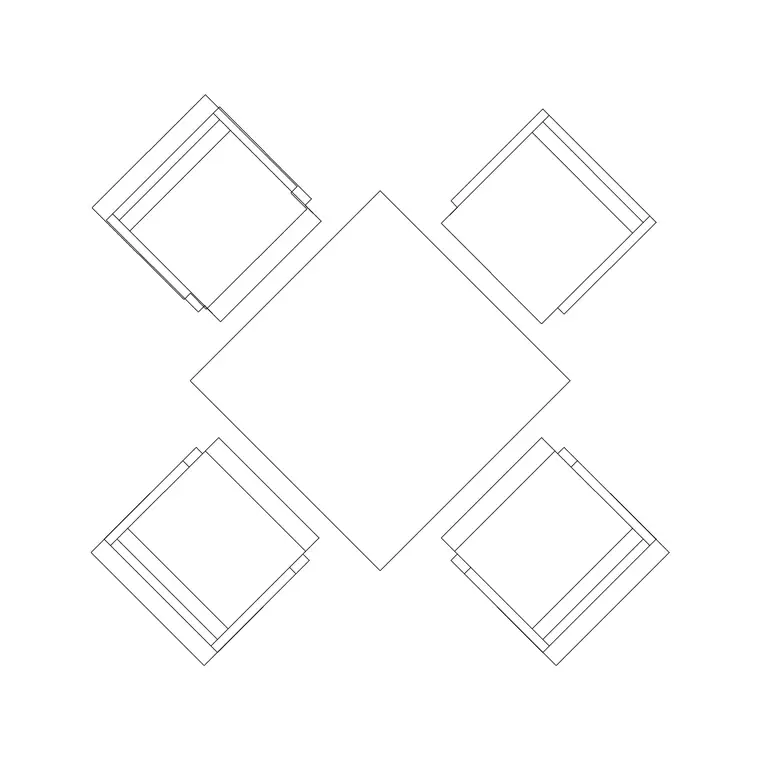
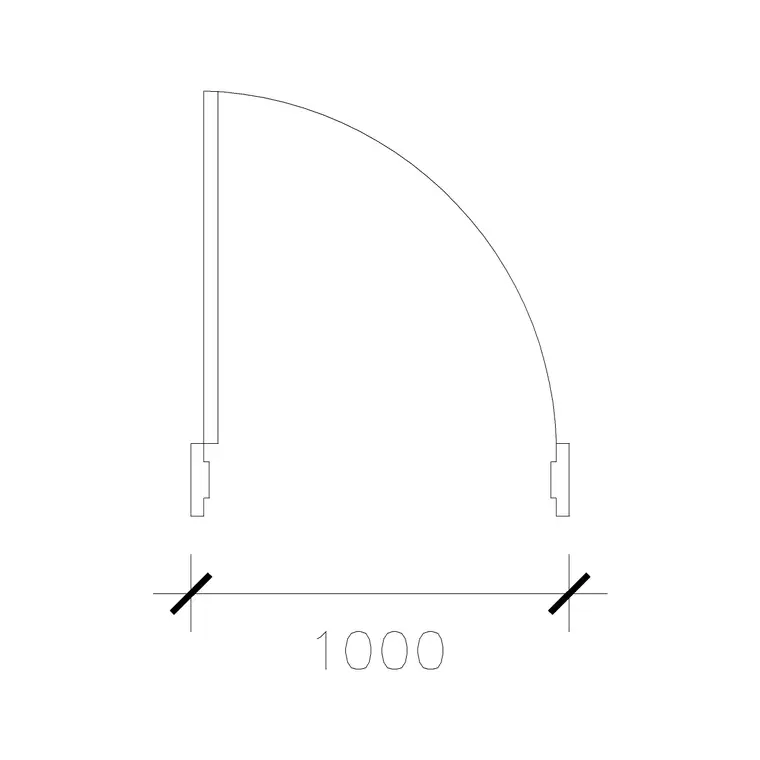
The running examples are a shared door block and a shared furniture block — exactly the kind of standard components that get edited once and need to propagate everywhere.
Why block definitions don't sync automatically
Every AutoCAD drawing stores its own copy of each block definition it uses. Insert a door into ten drawings and you have ten independent copies — editing the block in one file does not touch the other nine. This is by design: drawings are self-contained, so a file you send to someone carries everything it needs.
The upside is portability; the downside is that 'update everywhere' is a job you do, not something that happens for you. Understanding this is the key to choosing the right propagation method below — they all amount to re-importing the corrected definition into each drawing.
Redefining from a master DWG with -INSERT
Keep one authoritative DWG per block — a master file holding the correct geometry. In any drawing that needs updating, type -INSERT, then enter blockname=path\\to\\master.dwg and press Enter, then Escape to skip the insertion. AutoCAD redefines that block from the master, and every instance in the drawing updates at once.
Repeat this in each open drawing. It is a couple of keystrokes per file and is reliable because it always pulls from the same master, so there is no risk of two drawings drifting onto different 'current' versions of the block.
Updating through DesignCenter
Open DesignCenter (Ctrl+2), browse to the master DWG, and open its Blocks node. Right-click the corrected block and choose Redefine only (or drag it in and confirm the redefine prompt). The active drawing's definition is replaced with the master's, updating all its instances.
DesignCenter is handy when you are visually confirming you are grabbing the right block, and it works the same across each open drawing — switch the active drawing tab, redefine, switch to the next. It is a more visual alternative to the -INSERT command line route.
Handling many drawings efficiently
Updating five open drawings by hand is fine; updating fifty is not. For large jobs, a script or a small AutoLISP routine that loops the -INSERT redefine across files turns the chore into one batch run. Even a simple script file (.scr) listing the -INSERT redefine line, applied per drawing, removes the repetition.
If the drawings are not all open, consider a sheet-set or batch approach so you do not have to open each one manually. The principle is unchanged — you are redefining from the master in every file — but automation makes it practical at project scale.
Verifying the update took everywhere
After redefining, confirm visually that instances changed, and use a count check to be sure you hit every file. Running BCOUNT or a Quick Select for the block in each drawing confirms the instances exist and now show the new geometry.
A good discipline is to stamp the master block with a small revision note on a non-printing layer, or include the revision in the block name, so you can tell at a glance whether a given drawing is on the current version. That makes it obvious which files still need the update if a batch run missed any.
It also pays to update at sensible moments rather than constantly. Mid-design, small block tweaks are happening all the time, and chasing each one into every drawing is wasted effort. Batch the propagation to your issue or review milestones, so you push the master into every file as part of preparing a set to go out. That way the whole package is guaranteed consistent at the point it matters — when someone else relies on it — without the churn of syncing every interim edit.
Free download
Browse the full library — DWG & DXF, no signup.
Questions
Frequently asked
Does editing a block in one drawing update it in other open drawings?+
No. Each drawing stores its own copy of the block definition, so editing the block in one file leaves the others unchanged. To update everywhere you must redefine the block in each drawing, typically from a master DWG.
What is the fastest way to push a corrected block into many files?+
Keep one master DWG of the block and, in each drawing, run -INSERT with blockname=path\\to\\master.dwg then press Escape. This redefines the block from the master so all its instances update at once. For many files, script the redefine across them.
Can DesignCenter update a block definition?+
Yes. In DesignCenter (Ctrl+2), browse to the master DWG's Blocks node, right-click the corrected block and choose to redefine it. The active drawing's definition is replaced and all its instances update.
How do I keep a whole team on the same block version?+
Store master DWGs on a shared network path and point everyone's tool palettes and libraries there. When you fix the master, anyone who redefines or re-inserts the block picks up the corrected version, keeping the standard consistent across files and people.
Related downloads
Blocks for this guide
Popular blocks to download
Related categories
Related guides
How-to guide
How to Insert a DWG Block in BricsCAD
Insert a DWG block in BricsCAD — use the Blocks panel or INSERT command, fix unit scaling, place and rotate, then build a reusable BricsCAD library.
How-to guide
How to Insert a DWG Block in DraftSight
Insert a DWG block in DraftSight — use INSERTBLOCK or Design Resources, set units so it scales right, place it, and save it to a reusable library.
How-to guide
How to Insert a DXF in LibreCAD
Insert a DXF file in LibreCAD — why LibreCAD needs DXF not DWG, how to import or insert a block, fix the millimetre scaling, and place it cleanly on a layer.