How-to guide · how to replace all blocks with another block
Replace every instance of one block with another in AutoCAD
By Sumana Kumar · Published 29 May 2022 · Updated 9 Jun 2026
Sometimes a whole drawing is built on the wrong block. Maybe an old door symbol needs to become the new standard, or a placeholder chair must be swapped for the approved one across an entire floor. Replacing every instance by hand is slow and error-prone, so AutoCAD gives you ways to swap one block for another in a single move and have every reference update at once.
This guide covers three approaches: the Express Tools Replace Block command (the cleanest, when you have Express Tools), the classic -INSERT redefine trick (works in plain AutoCAD and even LT-style workflows), and a Quick Select plus manual replacement route for when you only want to swap blocks that match a condition. Each keeps the result as proper block references, not exploded geometry.
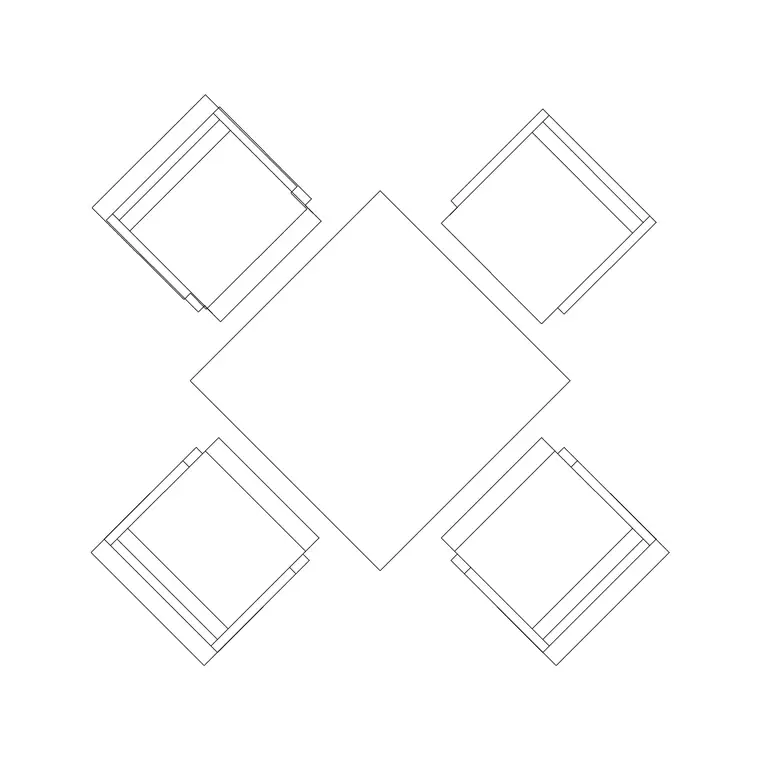
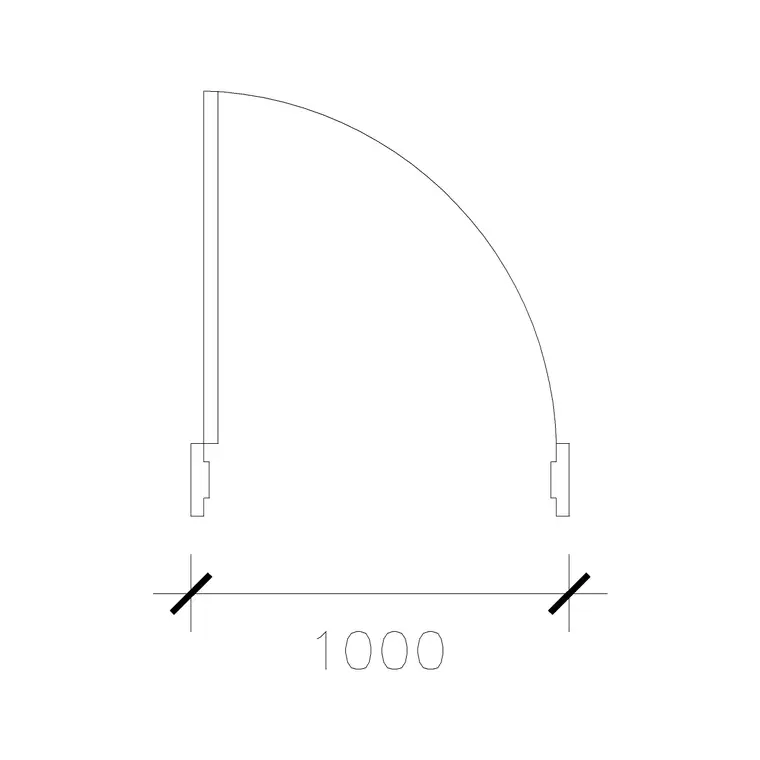
We will frame the examples around swapping one door type for another and one table for another, since door and furniture standardisation is the most common reason to do a blanket block replace.
Method 1 — Express Tools Replace Block (BLOCKREPLACE)
If you have Express Tools installed, this is the tidiest route. On the ribbon go to Express Tools > Blocks > Replace Block, or type BLOCKREPLACE. A dialog asks which block to replace and which block to replace it with; choose the old block, then the new one, and confirm.
AutoCAD swaps every instance of the old block for the new one in one pass, preserving each instance's insertion point, rotation and scale. There is usually an option to purge the now-unused old block definition afterwards, which keeps the drawing clean.
Method 2 — The -INSERT redefine trick
In plain AutoCAD without Express Tools, you can redefine a block from an external file. At the command line type -INSERT (with the leading hyphen), then enter the existing block name followed by an equals sign and the path to the new DWG, like: oldblockname=C:\\blocks\\newblock.dwg. Press Enter, then Escape to cancel the actual insertion.
AutoCAD redefines oldblockname using the geometry of the new DWG, so every existing instance instantly takes on the new appearance while keeping its position. This is powerful but blunt — it changes the definition, so be sure the new geometry shares a sensible insertion base point with the old one.
Method 3 — Quick Select then swap a subset
When you only want to replace some instances — say doors of one width but not another — use Quick Select first. Run QSELECT, filter for Block Reference with the Name equal to the old block, and AutoCAD selects just those. Now you have a clean selection of exactly the instances to change.
With those selected you can delete them and re-insert the new block at the same points, or use Properties to change attributes. For a precise like-for-like swap at scale, though, the Express Tools or -INSERT methods are faster; Quick Select shines when the swap is conditional.
Matching the insertion base point
The single biggest pitfall in any block swap is a mismatched base point. If the old block was drawn with its insertion point at a door hinge and the new one has its base point at the centre, every swapped door will shift by that offset. Before you replace at scale, open both blocks and confirm their base points sit at the same logical spot.
If they differ, edit the new block's base point with BEDIT and the BASE command, or use the BASEPOINT setting, so it lines up with the old one. Five minutes spent aligning base points saves a tedious cleanup of hundreds of nudged instances.
Purging and verifying after the swap
After a replace, the old block definition may linger in the drawing even though no instances remain. Run PURGE (or -PURGE) and remove unused blocks to clear it, which keeps the file lean and prevents the stale name reappearing in your Insert lists.
Verify the swap worked by running QSELECT for the old block name — it should find nothing — and by counting the new block to confirm the totals match what you expect. A quick BCOUNT or Quick Select count of the new block is the simplest proof the replacement was complete.
When a swap is the wrong tool
If you find yourself wanting to change the appearance of a block everywhere but keep its name, you do not need a replace at all — just edit the block definition with BEDIT and every instance updates. Replace is for when the new block is genuinely a different definition you want to substitute in.
Likewise, if only the layer, colour or scale needs to change across instances, Quick Select plus a Properties edit is cleaner than swapping the block. Reserve a full block replacement for true substitutions, such as retiring an old door standard in favour of a new one.
A final sanity check before any blanket swap: make a backup or work on a copy of the drawing. Both the Express Tools replace and the -INSERT redefine act on every matching instance at once, and there is no per-instance undo if the new block turns out to be wrong — only a single Undo of the whole operation. Confirming the new door or table looks right on a couple of instances first, then committing the full swap, is the habit that keeps a standardisation pass from becoming a cleanup job.
Free download
Browse the full library — DWG & DXF, no signup.
Questions
Frequently asked
How do I replace every instance of a block in AutoCAD at once?+
The cleanest way is Express Tools > Blocks > Replace Block (BLOCKREPLACE): choose the old block, choose the new one, and AutoCAD swaps all instances while keeping their positions, scales and rotations. Without Express Tools, use the -INSERT redefine trick.
How does the -INSERT redefine method work?+
Type -INSERT, then enter oldblockname=path\\to\\newblock.dwg and press Enter, then Escape to cancel the insert. AutoCAD redefines the existing block using the new DWG's geometry, so every existing instance updates to the new look in place.
Why are my swapped blocks shifting position?+
The two blocks have different insertion base points. Open the new block in BEDIT and align its base point to match the old one before replacing, otherwise every instance moves by the offset between the two base points.
How do I remove the old block definition after replacing it?+
Run PURGE and remove unused blocks. Once no instances of the old block remain, purging clears the leftover definition so it no longer clutters your Insert and block name lists.
Related downloads
Blocks for this guide
Popular blocks to download
Related categories
Related guides
How-to guide
How to Insert a DWG Block in BricsCAD
Insert a DWG block in BricsCAD — use the Blocks panel or INSERT command, fix unit scaling, place and rotate, then build a reusable BricsCAD library.
How-to guide
How to Insert a DWG Block in DraftSight
Insert a DWG block in DraftSight — use INSERTBLOCK or Design Resources, set units so it scales right, place it, and save it to a reusable library.
How-to guide
How to Insert a DXF in LibreCAD
Insert a DXF file in LibreCAD — why LibreCAD needs DXF not DWG, how to import or insert a block, fix the millimetre scaling, and place it cleanly on a layer.