How-to guide · how to repath blocks after moving files
Repath blocks and references after moving files in AutoCAD
By Saumyajit Maity · Published 11 Jan 2025 · Updated 26 Jan 2026
Move a folder of DWGs and something usually breaks. Tool palettes that point at the old location stop inserting, xrefs go missing, and you get the dreaded 'file not found' when AutoCAD tries to load a reference. The fix is repathing — telling AutoCAD where the files actually live now. It is straightforward once you know which tool handles which kind of link.
This guide separates the cases that confuse people: a tool palette block that points at a moved DWG, an xref whose saved path is now wrong, and a whole project of relocated references that needs fixing in bulk. Each has its own repair, and using the right one saves a lot of hunting.
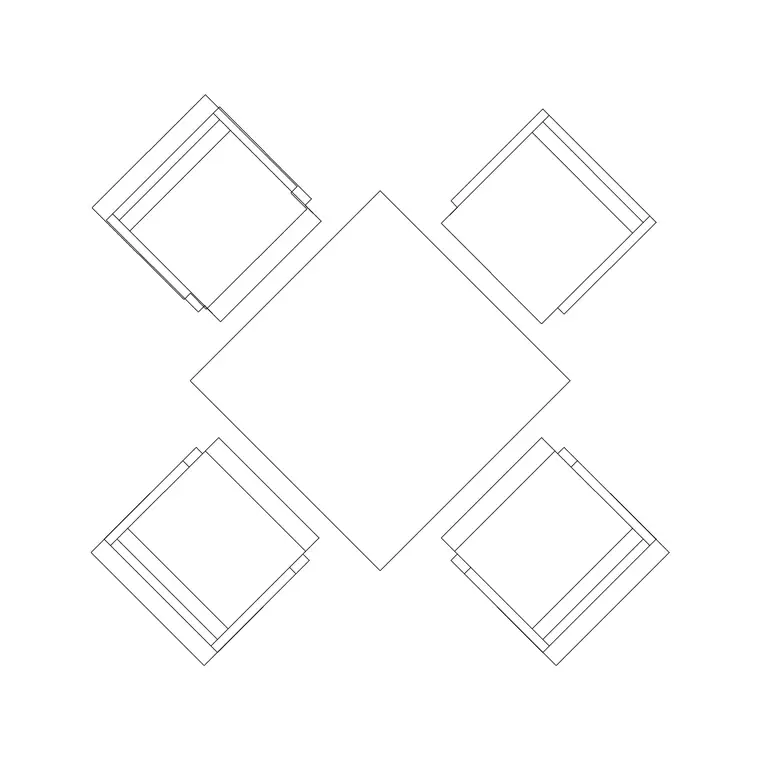
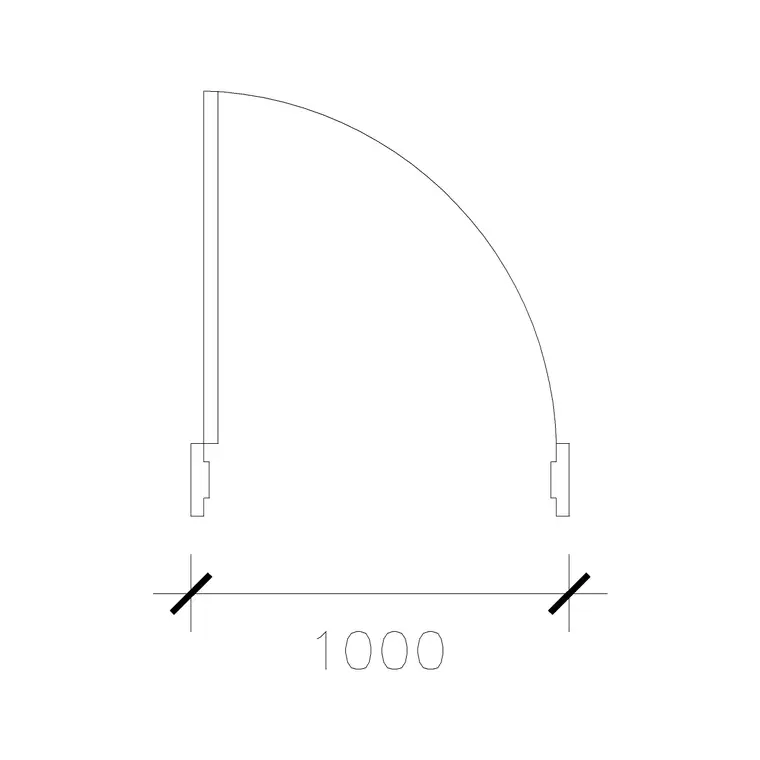
We will keep the examples grounded in a moved library of door and furniture DWGs, because relocating a block library is the most common reason these links break in the first place.
Understanding what stores a path
Different features remember file locations in different ways. A tool palette tool stores the path to the source DWG it inserts. An xref stores the path to the externally referenced drawing. A block already inserted into a drawing, by contrast, has its geometry copied in — so an inserted block does not break when you move the source; only the things that re-read the file do.
Knowing this tells you where to look. If existing blocks still draw fine but you cannot insert new ones from a palette, the palette tool's path is stale. If a referenced drawing has vanished, it is an xref path. Diagnosing the kind of link first points you to the right repair below.
Repathing a tool palette block
When a palette tool throws 'file not found', right-click the tool tile and choose Properties. Find the Source file or file path field and edit it to the new location of the DWG, or browse to the moved file. Save, and the tool inserts again.
If you moved many blocks at once, it can be quicker to rebuild the affected palette by dragging the DWGs in from their new location than to repath each tool by hand. Either way, the rule is the same: park your library somewhere permanent first, so you only have to do this once.
Relinking xrefs in the External References manager
For broken xrefs, type XREF or EXTERNALREFERENCES to open the External References palette. A reference with a stale path shows a 'Not Found' status. Select it, and in the Details pane edit the Saved Path to the new location, or use the browse button to point at the moved file, then reload.
Decide between a full path and a relative path while you are there. A relative path (relative to the host drawing) survives the whole project folder being moved together, which is often what you want; a full path is more fragile but unambiguous. Set the path type that matches how your project gets moved around.
Fixing many references with Reference Manager
When a whole project of files has moved, repathing one drawing at a time is painful. Autodesk's standalone Reference Manager tool scans a set of drawings, lists every external reference (xrefs, images, fonts, and more), and lets you repath them in bulk without opening each DWG.
Point it at the project folder, let it find the broken paths, and apply a find-and-replace from the old root to the new root. This is the efficient route after a server migration or a big folder reorganisation, where dozens of drawings all point at the same moved location.
Preventing broken paths in the first place
The best repath is the one you never have to do. Decide on a permanent home for your block library and xref masters before you start building palettes and referencing files, and resist moving it afterwards. If you must use shared work, put it on a network path everyone references the same way.
Favour relative paths for xrefs within a self-contained project folder, so the whole folder can move as a unit without breaking. And keep your tool palette source files in a stable library directory, since palettes and Favorites both hard-store the path to the DWG they insert.
Verifying everything resolves
After repathing, reload references and check statuses. In the External References palette, every entry should read 'Loaded' rather than 'Not Found'. For palettes, test-insert one block from each repathed tab to confirm the tools resolve to the new location.
If you use eTransmit to package a drawing for sending, it will flag any references it cannot find, which doubles as a final check that nothing is still pointing at a moved or missing file. A clean eTransmit report is good evidence your repathing is complete, and the transmittal package it produces gathers the references into one folder so the recipient does not inherit your broken paths in turn.
Free download
Browse the full library — DWG & DXF, no signup.
Questions
Frequently asked
Why does my tool palette block say 'file not found' after I moved my DWGs?+
The tool stores the path to its source DWG, and moving the file breaks that link. Right-click the tool, open Properties, and edit the source file path to the new location, or rebuild the palette by dragging the DWGs in from where they now live.
How do I fix a broken xref path in AutoCAD?+
Open the External References palette (XREF). A broken reference shows 'Not Found'. Select it, edit the Saved Path in the Details pane to the new location or browse to the file, then reload. Consider using a relative path so the link survives the project folder moving as a unit.
Do already-inserted blocks break when I move the source DWG?+
No. An inserted block has its geometry copied into the drawing, so it keeps drawing fine even if the source file moves. Only things that re-read the file — tool palette tools and xrefs — break and need repathing.
How do I repath many drawings at once after a server move?+
Use Autodesk's standalone Reference Manager. It scans a folder of drawings, lists all external references, and lets you repath them in bulk with a find-and-replace from the old root path to the new one, without opening each DWG individually.
Related downloads
Blocks for this guide
Popular blocks to download
Related categories
Related guides
How-to guide
How to Insert a DWG Block in BricsCAD
Insert a DWG block in BricsCAD — use the Blocks panel or INSERT command, fix unit scaling, place and rotate, then build a reusable BricsCAD library.
How-to guide
How to Insert a DWG Block in DraftSight
Insert a DWG block in DraftSight — use INSERTBLOCK or Design Resources, set units so it scales right, place it, and save it to a reusable library.
How-to guide
How to Insert a DXF in LibreCAD
Insert a DXF file in LibreCAD — why LibreCAD needs DXF not DWG, how to import or insert a block, fix the millimetre scaling, and place it cleanly on a layer.