How-to guide · how to count blocks with quick select in autocad
Count blocks using Quick Select in AutoCAD
By Saumyajit Maity · Published 2 May 2024 · Updated 2 Mar 2026
Counting blocks is one of those small jobs that turns into a real chore if you do it by hand — try tallying every chair in an office plan or every door in a building and you will lose count twice. AutoCAD's Quick Select (QSELECT) filters the drawing to just the blocks you care about and tells you how many there are, which is exactly the number you need for a furniture schedule, a door schedule or a quick takeoff.
This guide shows how to use QSELECT to count instances of a specific block by name, how to read the count it reports, how to handle anonymous and dynamic blocks, and how QSELECT compares with the dedicated BCOUNT command. By the end you can pull a reliable count for any block in seconds.
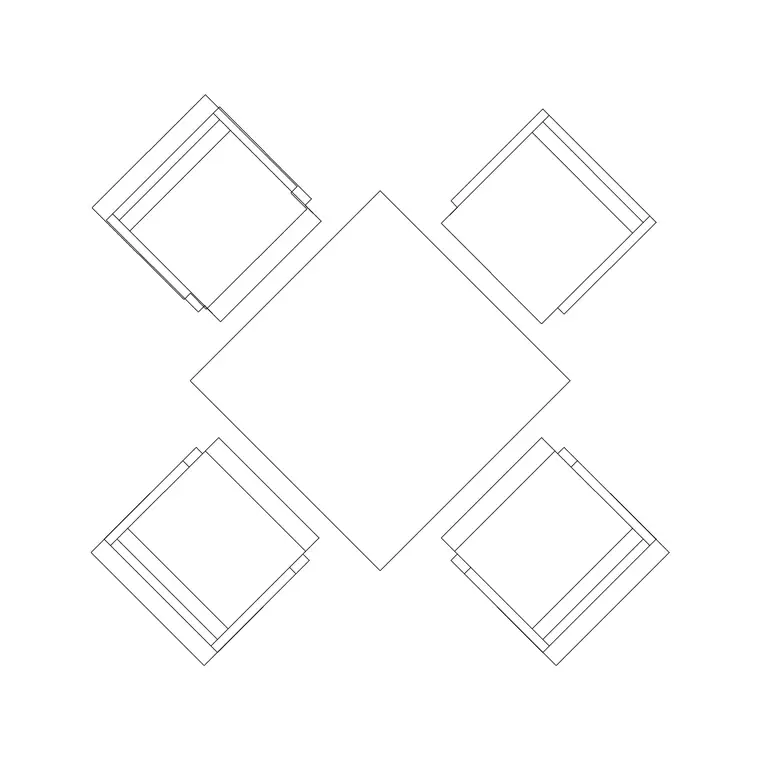
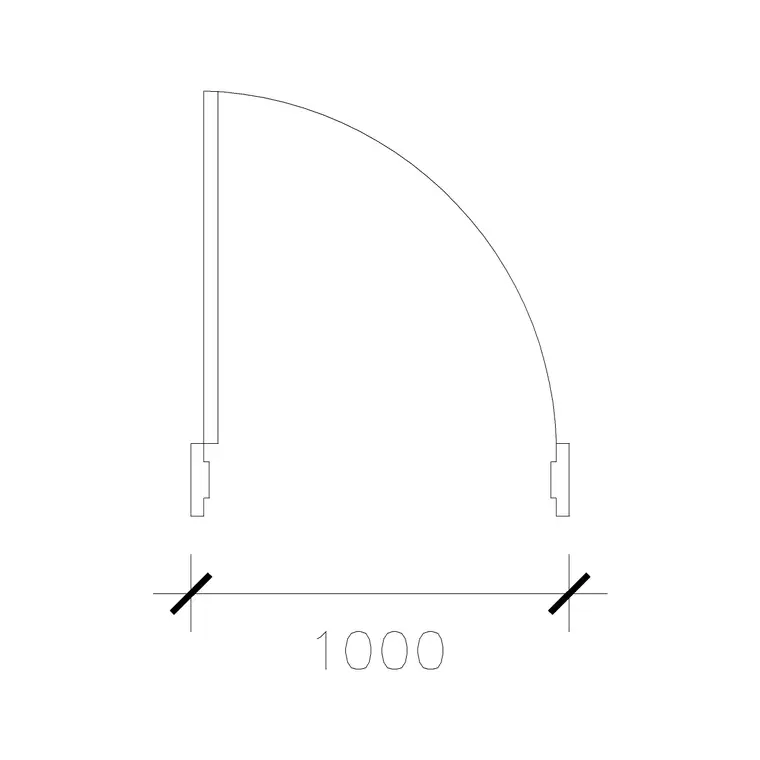
We will use doors and furniture as examples because those are the blocks people most often need a count of — a door schedule and an FF&E furniture count are both just block tallies.
Opening Quick Select and choosing the filter
Type QSELECT and Enter, or right-click in the drawing and choose Quick Select, to open the dialog. Set Apply to: Entire drawing (or a window selection if you only want part of the plan). In Object type, choose Block Reference — this restricts the filter to inserted blocks rather than lines or text.
Object type is the first gate. Picking Block Reference means everything that follows applies only to block instances, which is what you want when counting a particular door or table rather than all geometry.
Filtering by block name
With Block Reference chosen, set Properties to Name, set Operator to = Equals, and in the Value list pick the block you want to count. The Value dropdown lists the block names present in the drawing, so you select the exact door or furniture block by name.
Leave 'Include in new selection set' chosen and click OK. AutoCAD selects every instance of that block and reports the number selected on the command line and status bar — that figure is your count. It is the cleanest way to get an exact tally of one named block.
Reading the count it reports
After QSELECT runs, look at the command line: it states how many objects were selected, for example '12 found'. The status bar near the bottom of the screen also shows the selection count. Those instances are now highlighted, so you can visually confirm the count covers the area you expected.
If the number looks wrong, check your Apply to: scope — counting Entire drawing includes anything off in the corners of the layout, whereas a window selection counts only what you fenced. Matching the scope to your intent is what makes the count trustworthy.
Counting dynamic and anonymous blocks
Dynamic blocks and blocks inserted with visibility states can show up under internal anonymous names like *U21, which makes a plain name filter miss some instances. If your count seems low, this is often why. For dynamic blocks, filtering on the Effective Name (rather than the raw Name) captures every variant of the same parent block.
Where QSELECT struggles with these, the BCOUNT command (below) generally handles effective names better, so it is the more dependable tool for schedules that include dynamic blocks with multiple states.
QSELECT versus BCOUNT
QSELECT counts one block at a time and also selects it, which is useful when you want to act on the instances (change a layer, delete, edit). BCOUNT, an Express Tool, instead prints a tally of every block in a selection or the whole drawing at once — a ready-made list of block names with their counts.
For building a schedule, run BCOUNT to get the whole table in one shot. For isolating and then editing a specific block, run QSELECT so you both count and grab the instances. They complement each other rather than competing.
Turning the count into a schedule
A QSELECT or BCOUNT count is the raw number behind a door or furniture schedule. Once you know there are, say, a set number of a given door across the plan, that figure feeds straight into a schedule table or a procurement spreadsheet. Keeping each component as a named block is what makes this possible — loose linework cannot be counted this way.
For richer schedules that include sizes and codes, attach attributes to the blocks and use data extraction (EATTEXT / Data Extraction) to pull a full table including the counts. Quick Select gives you the headline number; data extraction turns it into a structured, exportable schedule.
There is a subtle but important reason to count from blocks rather than annotation. If you label rooms with manual text — a hand-typed '6 chairs' — that number lies the moment the layout changes and nobody updates the note. A QSELECT or BCOUNT count is read live from the geometry, so it is always true to what is actually drawn. Building the habit of counting blocks rather than trusting old labels is what stops a furniture or door schedule from quietly drifting out of step with the plan it is supposed to describe.
Free download
Browse the full library — DWG & DXF, no signup.
Questions
Frequently asked
How do I count how many of a specific block are in a drawing?+
Run QSELECT, set Apply to: Entire drawing, Object type: Block Reference, Properties: Name, Operator: = Equals, and pick the block name. AutoCAD selects every instance and reports the count on the command line and status bar.
Why does Quick Select miss some dynamic block instances?+
Dynamic blocks with visibility states can carry internal anonymous names, so a plain Name filter skips them. Filter on the block's Effective Name instead, or use the BCOUNT Express Tool, which handles effective names and counts every variant of the parent block.
What is the difference between QSELECT and BCOUNT for counting?+
QSELECT counts one named block at a time and also selects the instances so you can edit them. BCOUNT prints a tally of every block in the selection or drawing at once, which is faster for building a full schedule but does not leave instances selected for editing.
Can I count blocks in only part of the drawing?+
Yes. In QSELECT set Apply to: Current selection and make a window selection of the area first, or limit the selection before opening the dialog. The count then covers only the fenced region rather than the entire drawing.
Related downloads
Blocks for this guide
Popular blocks to download
Related categories
Related guides
How-to guide
How to Insert a DWG Block in BricsCAD
Insert a DWG block in BricsCAD — use the Blocks panel or INSERT command, fix unit scaling, place and rotate, then build a reusable BricsCAD library.
How-to guide
How to Insert a DWG Block in DraftSight
Insert a DWG block in DraftSight — use INSERTBLOCK or Design Resources, set units so it scales right, place it, and save it to a reusable library.
How-to guide
How to Insert a DXF in LibreCAD
Insert a DXF file in LibreCAD — why LibreCAD needs DXF not DWG, how to import or insert a block, fix the millimetre scaling, and place it cleanly on a layer.